
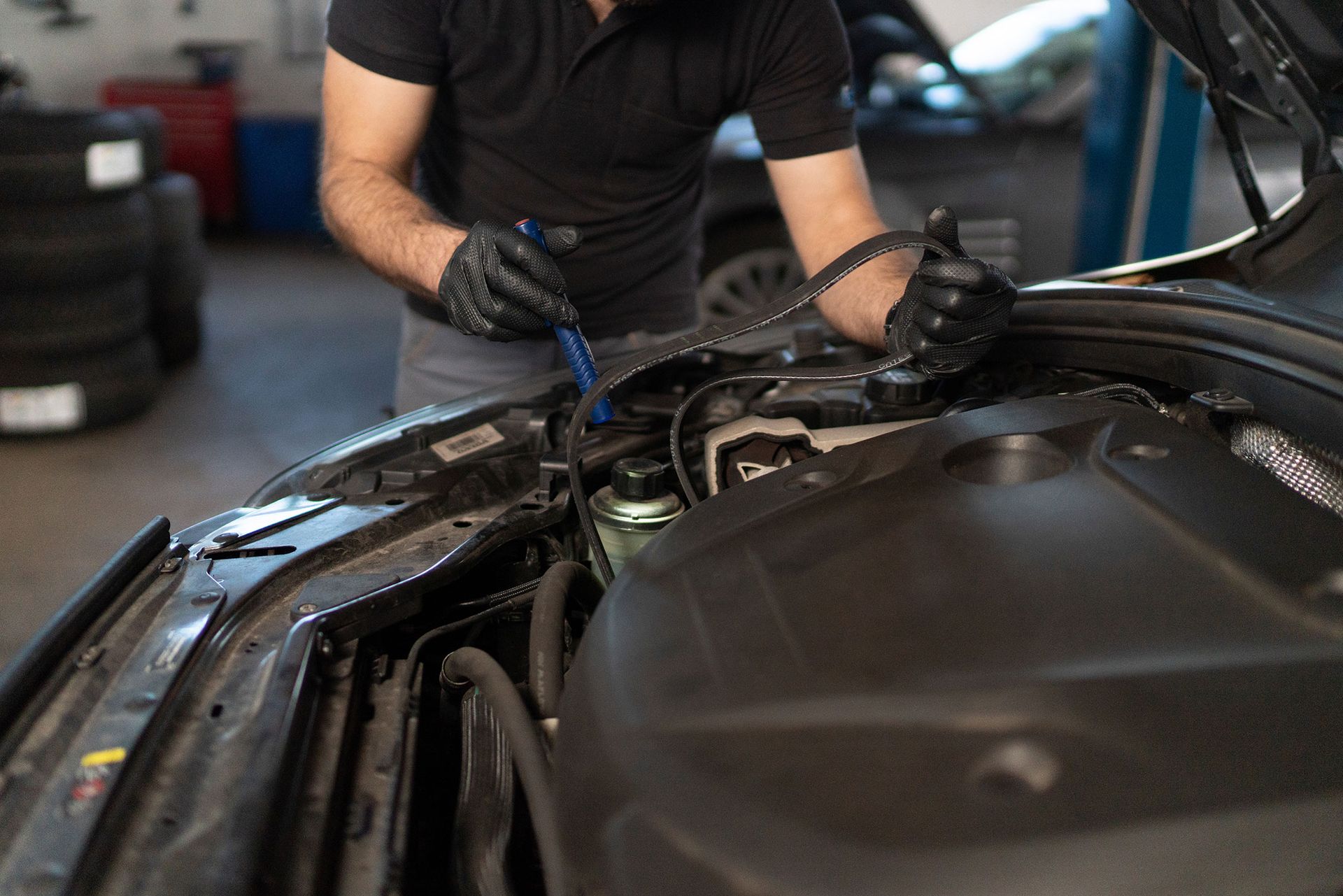

Timing Belt vs. Timing Chain: What’s The Difference?


  August 29, 2025

The timing system of your powertrain is responsible for ensuring that each step of the combustion cycle occurs at precise intervals to keep the engine operating smoothly and efficiently. If the various components of your engine were an orchestra, the timing system would be the conductor.

Timing systems rely on either a chain or a belt to link the camshaft and crankshaft, constantly turning as the engine runs and initiating each step of combustion during every rotation. Timing belts and chains both serve the same purpose, however the differences in material and setup lead to some differences that may affect your maintenance needs. Here’s what you should know!

What Are Timing Belts & Chains

Both timing belts and chains work in a similar way, connecting the camshaft that controls the valve operations to the camshaft, which is the engine’s output shaft that drives the timing system.

When either of these components experiences wear or failure, it can throw off the engine’s entire combustion cycle, leading to mistimed valve actuation and potentially irreparable engine damage. Both belts and chains rely on consistent tension from a tensioner, which ensures the belt/chain is pulled taut and maintains precise timing.

What Are The Differences?

Though both belts and chains work in essentially the same way, there are a few differences between the two components that you should be aware of.

Timing belts consist of a soft rubber or polyurethane, similar to the accessory belt that runs your vehicle’s other systems. Belts provide a few benefits, including cheaper production costs, simpler replacement, and a generally quieter powertrain noise.

Timing chains on the other hand are made of metal links, providing them with superior strength. Chains are generally more durable than their belt counterparts and tend to last longer before needing replacement. However their metal construction also leads to a noisier powertrain as the chain runs along its track. 

You can often tell whether you have a belt or a chain by looking at the housing it’s located in. Plastic timing covers generally mean the engine uses a timing belt, while a metal timing cover is a good sign you’re looking at a chain, as chains need to be lubricated by engine oil and require a metal housing to do so. 

How Often Do I Need to Replace My Timing Belt or Chain?

The answer to when your timing system requires service can depend on which of these two components your vehicle uses. 

While it varies on the make and model of the vehicle as well as factors such as driving habits and oil quality, timing belts generally need replacements between every 60,000-100,000 miles. You should always keep an eye on the condition of your timing belt, and if you notice visible stretching, slipping, or hear a squeal from the belt, you should have your timing system inspected by a trusted automotive professional as soon as possible.

Timing chains, on the other hand, tend to be a bit more durable than belts. Although replacement tends to be a bit costlier, timing chains generally last over 80,000-120,000 miles before requiring a replacement. 

Timing System Services at Shoveltown Auto Service

If you’re experiencing issues with your vehicle’s timing system, no matter if it runs off a belt or a chain, the technicians at Shoveltown Auto Service in Easton, MA have the expertise and equipment to properly perform timing maintenance and repair on all makes and models.

Give us a call or schedule online with our friendly and knowledgeable team today!

Recent Posts

Loading posts…

Appointments

Schedule an appointment with Shovel Town Auto Service

SHARE THIS

Latest Posts

Person washing a car’s front tire with a hose outdoors
April 23, 2026
Tires are an investment that you likely expect to last for years of regular driving, which is why noticing uneven wear on your tread can be frustrating. Uneven tread wear leads to decreased longevity, causing more frequent replacements despite much of the tire still having adequate tread remaining.  Ensuring that your tires are experiencing even… ...
Close-up of a black camera battery compartment with a gray mechanical component beside it
March 19, 2026
One of the largest byproducts of the combustion process vehicles use to produce power is heat, which can build up in the sensitive metal internals of your motor. This thermal energy must be dealt with, otherwise the surplus of heat will begin to weaken, warp, or crack the most crucial parts of your engine.
Mechanic installing a black car battery in an engine bay, with labels visible.
February 20, 2026
Car batteries are one of those components that generally don’t get much thought unless you’re having issues. So when it’s finally nearing the end of its lifespan, what are the signs you should look out for to avoid being stranded with a dead battery? How Long Do Automotive Batteries Last?
Steam rising from a motorcycle exhaust pipe in a close-up shot, with blurred blue and red lights in the background
January 20, 2026
Our vehicle’s exhaust system plays numerous important roles, from moving exhaust fumes away from the cabin to quieting engine noise to removing harmful pollutants from the engine’s emissions. While a relatively simple system, an issue in just one area of the exhaust can cause a host of potential symptoms and harm.
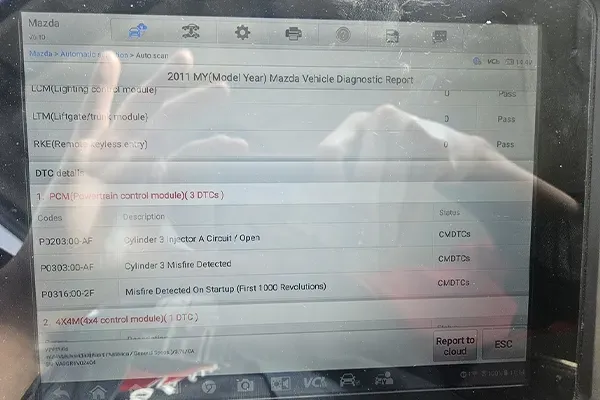
Blurred car infotainment screen showing a vehicle diagnostic report with text and status icons
December 16, 2025
When a vehicle rolls into our shop with a rough idle and a flashing check engine light, the story is usually deeper than what the computer tells us. Recently, we had a perfect example of that, and a great reminder that even brand-new parts aren’t always the root of the problem.  The Initial Symptoms: A… ... The post When a Misfire Isn’t What It Seems: The Real Story Behind Cylinder 3 on This Vehicle appeared first on Shoveltown Auto Service.
Car dashboard fuel gauge near empty, with fuel pump icon and red warning zone.
November 19, 2025
What is a CVT Transmission? Unlike the conventional automatic transmissions that shift between fixed gear ratios, a continuously variable transmission (CVT) instead uses a system of belts or chains and pulleys that can seamlessly adjust to an infinite number of effective gear ratios.

Electric car charging with blue cable plugged into white vehicle at a charging station
November 5, 2025
Electric vehicles (EVs) have become a nationwide favorite among vehicle owners in the past decade. They generate lower energy costs, deliver higher fuel economy, contain advanced battery technology, and offer environmental benefits. These features are huge selling points.
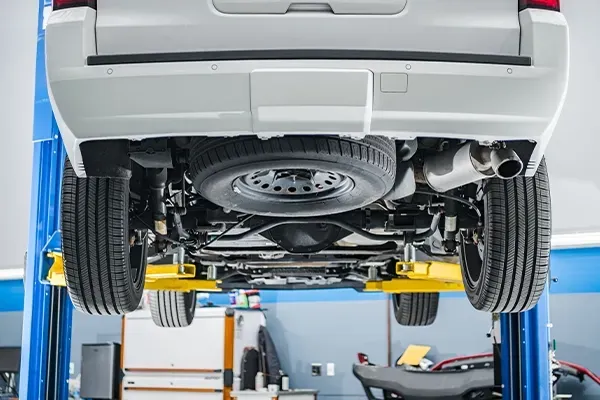
Car undercarriage on a lift in an auto repair shop, showing the rear axle and exhaust.
September 29, 2025
The shocks and struts are some of the critical components in the suspension, absorbing energy from road impact. As these parts take the brunt of the abuse for everyday driving, it’s not uncommon for them to wear down over time and require replacement.
Hand adjusting a car climate control knob near the dashboard vents, with a red trim interior.
July 2, 2025
Since the 1950s, air conditioning systems have gone from expensive luxury add-ons to a standard inclusion on nearly every modern vehicle. It’s tough to imagine driving a vehicle throughout the summer without the ability to regulate the interior’s temperature.
Close-up of a metal gear assembly with yellow grease splashing around it
May 30, 2025
While it may not get as much attention as oil changes or brake service, differential fluid plays a vital role in how your vehicle handles, especially when turning, towing, or driving in challenging conditions.

Show More